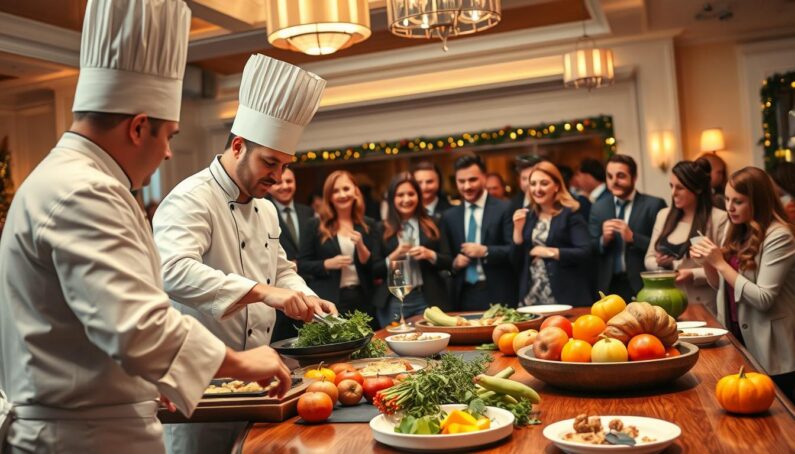
Restaurant gift card sales soared 13.2% in 2024. This isn’t just holiday cheer; it’s a wave of money waiting to be grabbed.
27% of diners are ready to spend up to 49% more on holiday meals. If you’re not planning for this, you’re helping your competitors enjoy a fat holiday bonus.
This isn’t just about adding some holiday flair to your menu. It’s about smart seasonal marketing. Why do sales jump 7.8% in November and December? It’s because your fixed costs love a full house.
We’re moving from “why” to “how much.” Our aim is to turn one-time guests into regulars.
Limited-time menus are powerful. They tap into emotional spending, making it your most reliable income. A well-planned chef event can turn a slow Tuesday into a busy, profitable day.
Planning Special Events
Forget napkin sketches; the blueprint for a successful seasonal event is drafted with precision. A haphazard timeline can kill restaurant promotions. It turns brilliant chef concepts into logistical puzzles.
So, how do the pros do it? They follow a three-act structure: Strategy, Creative Production, and Execution. This isn’t about stifling creativity. It’s about building a stage for creativity to perform.
The data shows a specific cadence. Strategy simmers in summer. Creative work boils in September. The full rollout happens as the holiday frenzy begins.
Let’s break down this campaign calendar into actionable phases:
| Phase | Timeline | Core Focus | Key Actions for Restaurants |
|---|---|---|---|
| Strategy & Planning | July – August | Laying the groundwork. Analyzing past data, setting budgets, locking in suppliers. | Finalize event concepts. Cost out ingredients for seasonal chef menus. Book any necessary staff or entertainment. |
| Creative Production | September | Building the promotional engine. Designing assets, writing copy, planning photo/video shoots. | Photograph new menu items. Draft social media content calendars. Design email campaigns and print materials. |
| Launch & Execution | October – December | Public rollout and event management. Driving awareness and delivering the experience. | Activate social media ads. Train staff on new menus and event protocols. Host the events and manage day-of logistics. |
This table isn’t just a pretty organizer. It’s the recipe for a profitable, buzz-worthy seasonal chef menu. Creative work happens before the madness hits. This allows for polished, compelling marketing that doesn’t look rushed.
Take the Brooklyn gastropub that turned a simple Halloween costume contest into a local phenomenon. They started planning in August. By October, they had a full kit of professional photos, spooky cocktail videos, and a branded hashtag ready to go. The result? Over 2,000 user-generated Instagram posts and a net gain of 3,200 followers. The event was fun, but the planning made it viral.
Then there’s the genius of “Friendsgiving.” On paper, it’s a Tuesday night in November. To a savvy restaurateur, it’s a data-driven goldmine. It targets a demographic eager for communal, photo-worthy experiences outside of traditional family obligations.
This is where true culinary innovation meets commerce. The best seasonal chef menus aren’t born from a chef’s midnight epiphany alone. They are the product of anticipating guest desires months in advance, sourcing ingredients at their peak, and crafting a narrative that guests want to be part of. It’s the difference between serving a dish and creating a moment worth remembering—and worth posting about.
Creating Limited-Time Menus
Your seasonal chef specials are not about reinventing cuisine. They’re about adding new twists to familiar flavors. It’s like a brilliant cover song, where the melody is known but the arrangement is fresh.
The limited-time menu is your main attraction. It needs to sell out. But remember, a special that requires a kitchen reboot can be a profit-killer. It’s the difference between a hit and a flop.
Take the Seattle bistro that sold out weekends with a $75 “Harvest Moon” tasting menu. Or the Texas BBQ joint that sold 40% more ribs with a bourbon-pumpkin glaze. They made the familiar flavors exciting without changing them too much.
The secret is in strategic ingredient swaps and creative plating. It’s not about introducing new things, but making the old better.
Smart sourcing is key. Your spring asparagus or autumn squash should reflect the season. Authenticity is what matters. Forced seasonal chef specials are obvious and not appealing.
To create a hit menu, start with what you do best. If your grill master is a smoke wizard, don’t ask them to make soufflés. Use their skills to create something amazing.
Then, check your supply chain. What seasonal ingredients can you get reliably and affordably? This is about cooking and logistics combined.
Design your menu for speed. Can this dish be made quickly during busy times? Your chef’s talent is important, but you also need to make sure it’s practical.
Successful chef specials follow a simple formula:
- Leverage Core Skills: Use what your kitchen does best.
- Source with Intent: Choose seasonal ingredients that tell a story.
- Prioritize Execution: Make sure it can be made quickly.
The goal is to create a sense of scarcity and desire. A great limited-time menu should feel like a special event. It’s a hint of something extraordinary, available only for a short time. That’s how you make a chef special a hit.
Promoting on Social & Email
Email blasts are like throwing spaghetti at a wall. Let’s aim for precision instead. Your seasonal dish deserves a targeted approach.
Your email list is key. You want to reach the right people, not everyone. Segmented campaigns can boost open rates from 18% to 34-38%.
Segment your list by wine preference, visit frequency, and spending habits. This way, you can tailor invitations to specific chef events.
SMS offers a 90% open rate, making it a powerful tool. Use it for urgent offers like flash sales or last-minute seat alerts.
Visual content is also powerful. A 15-second Instagram Reel can generate 47,000 views and 23 inquiries. It’s a key part of spring social media strategies.
Encourage users to share their experiences. Run contests for the best photos of your seasonal cocktails. This turns customers into promoters.
Each channel has its own role. The table below shows how they work together.
| Channel | Core Strategy | Best Use Case | Key Metric |
|---|---|---|---|
| Email Marketing | Advanced segmentation by customer data (wine preference, frequency, spend). | Announcing multi-course tasting menus or exclusive wine pairings. | Open Rate Boost: 18% to 34-38%. |
| SMS Campaigns | Time-sensitive, high-value offers to an opted-in list. | Flash sales, last-minute seat alerts, happy hour specials. | 90% Open Rate. |
| Social Media (Instagram/Facebook) | Visual storytelling via Reels and user-generated content campaigns. | Building hype for a seasonal menu launch or special holiday event. | 47,000 views & 23 reservations from a single Reel. |
Forget the loud shout. Think of each message as a personal note. It’s about creating an experience and inviting the right people.
Partnering with Local Businesses
A Chicago restaurant turned a slow time into a profit by teaming up with a local playhouse for Valentine’s Day. They sold 82 “Dinner & Show” packages. It was a win-win, not charity.
Think of it as an ecosystem, not just a deal. Your “seasonal chef menus” get seen by theater fans. The show gets a fancy dinner, making it more appealing. Everyone benefits, from the restaurant to the customer.
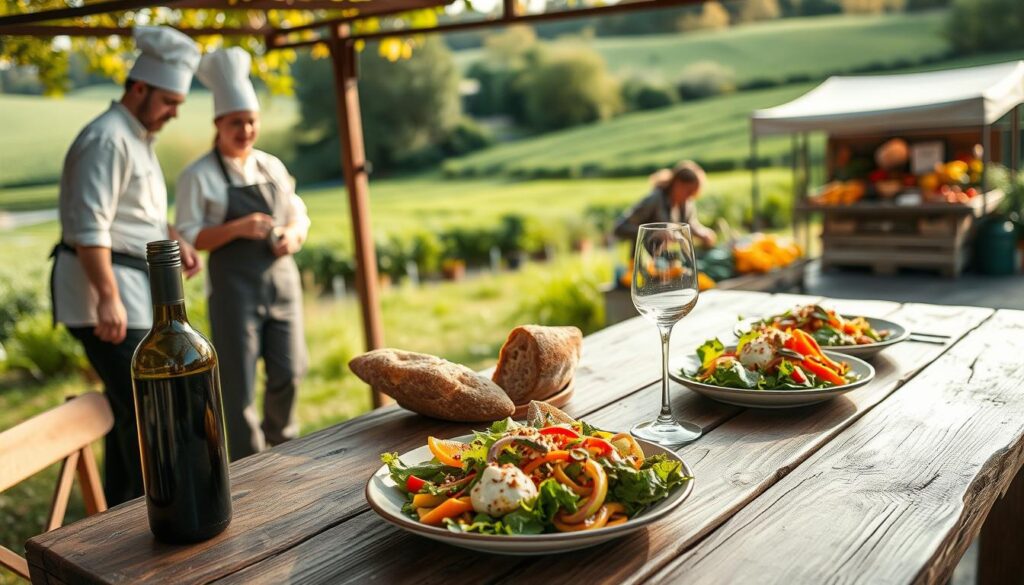
There are many ways to partner. Work with a local wine shop for a tasting menu. Or team up with a hotel for a dinner and stay package. Even partner with a farm for a dinner highlighting fresh ingredients.
This is smart business. You’re not just sharing customers. You’re borrowing trust from established brands. They’ve built a loyal audience, and you get to meet them.
Your goal is to find businesses that fit well with yours. Look for natural partnerships. Then, create a deal that adds value for everyone. It’s a smart way to grow your business without extra effort.
Crafting Urgency
Forget the loud ’24-Hour Sale’ signs. True urgency in restaurants is more subtle. It’s about creating a special feeling in your guests, not just shouting about deals.
The key is FOMO, or the Fear Of Missing Out. But not the cheap kind. We’re talking about genuine exclusivity. It’s the difference between a regular dish and a chef specials story. Think of a dish made with ingredients from just one farm, available for a short time only.
Take a San Diego taqueria that did a “12 Days of Tacos” campaign. It wasn’t just one deal. It was a series of unique tacos, each available for just one day. This made people check in every day, eager not to miss out on their new favorite taco.
Then there’s the non-refundable New Year’s Eve deposit. It’s not just practical; it’s a way to make people commit. A regular reservation is a “maybe.” But a deposit-backed reservation is a guaranteed revenue event. It turns a casual thought into a solid plan to enjoy your NYE chef specials menu.
The secret is simple: exclusivity plus a deadline. Saying “we have pumpkin ravioli” is nice. But saying “our pumpkin ravioli, made with squash from XYZ Farm, is here for just nine days” is a reason to go now.
You’re not just selling food. You’re selling a unique, short-lived experience. When done right, your limited-time offer does more than sell food. It makes people feel like they’d miss out if they didn’t try it. That’s where urgency meets charm.
Collecting Post-Event Feedback
Strike the decorations, but don’t strike the data—what comes after your special event is where the real insight lives. The champagne flutes are empty. The buzz has faded. This is the moment we shift gears from host to historian, from artist to analyst.
Skipping this phase is like reviewing a film based on its trailer. The real story, the profitable truth, is in the aftermath.
A simple profit/loss sheet is a child’s report card. For the sage operator, the real post-event analysis is a multi-layered autopsy. Did the truffle arancini drive margin, or was it the humble but high-profit bruschetta?
Which promotion channel—the Instagram story or the local newsletter—delivered guests who actually ordered a second bottle of wine? What was the quiet critique from table seven really about? This is the intelligence that transforms a one-off party into a renewable resource.
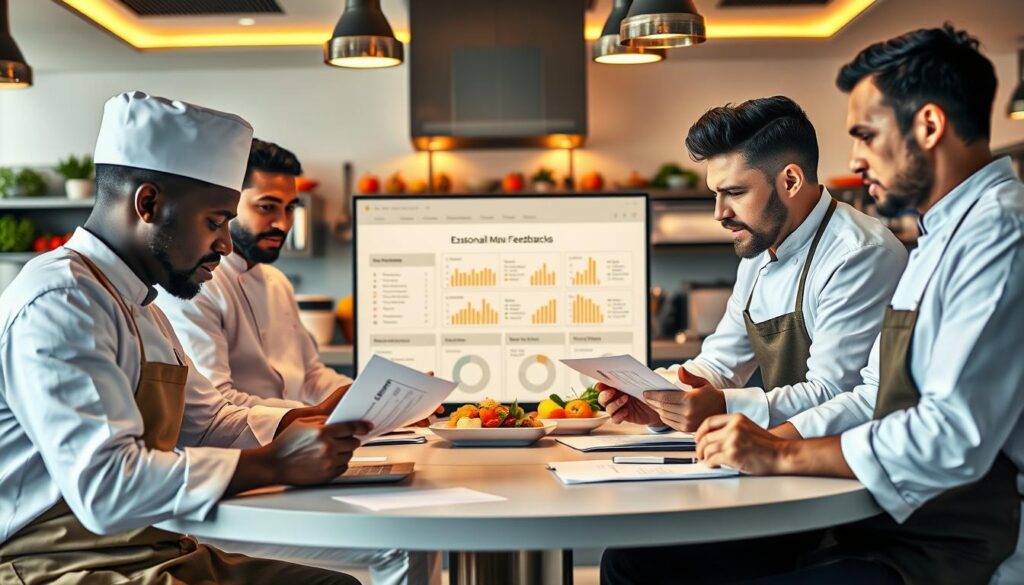
So, how do we gather this gold? The tools are straightforward, but their application requires finesse. First, digital surveys. Deploy them within 48 hours, while the memory is warm but the wine-induced glow has settled. Keep them shorter than a TikTok video.
Ask specific, actionable questions: “Which dish would you drive back for?” not “Did you like the food?”
Second, become a social media detective. This is social listening. Don’t just look for tags. Search your restaurant’s name, the event’s hashtag, and even vague phrases like “amazing dinner last night.”
The unsolicited review in a friend’s DM is often more truthful than the public five-star rating. For a chef event, this raw, qualitative data is priceless.
The magic happens when you turn grumbles and gasps into numbers. That comment about “slow service between courses” isn’t just a complaint—it’s a data point for kitchen timing. Ten people mentioning the “unforgettable scallop” on social media? That’s a quantitative argument for its permanent menu placement.
This process of data digestion separates nostalgia from strategy.
Ultimately, this isn’t about grading the past. It’s about engineering the future. By closing the feedback loop, you ensure your next campaign isn’t a repetition, but an evolution. You move from guessing to knowing.
Your future chef events become smarter, sharper, and infinitely more profitable. The sage doesn’t just experience; they learn. And that is the most sustainable special of all.
Conclusion
Promoting special events is not just a nice touch. It’s the heart of how restaurants make money today. A series of seasonal chef menus is what drives a restaurant’s success all year.
We’ve changed how we think about events. We plan, create, promote, and review them all the time. This cycle turns short-term events into lasting income and loyal customers.
The focus has changed. It’s not just about serving food anymore. It’s about creating a story that guests want to come back for. Each season brings a new story, with special dishes as key moments.
Restaurants that will do well are those that get this rhythm right. They see their seasonal menus as the main story, not just a side note. Your next story begins with the next season.